
Schedule
8:45am Check-in opens at St. Andrew’s Episcopal Church, 2015 Glenarm
9am Program begins at St. Andrew’s Episcopal Church
9:45am Program ends at St. Andrew’s
10am Program begins at St. Paul’s Lutheran Church, 1600 Grant St.
10:45am Program ends at St. Paul’s
11am Program begins at Trinity United Methodist Church, 1820 Broadway
12pm Program concludes
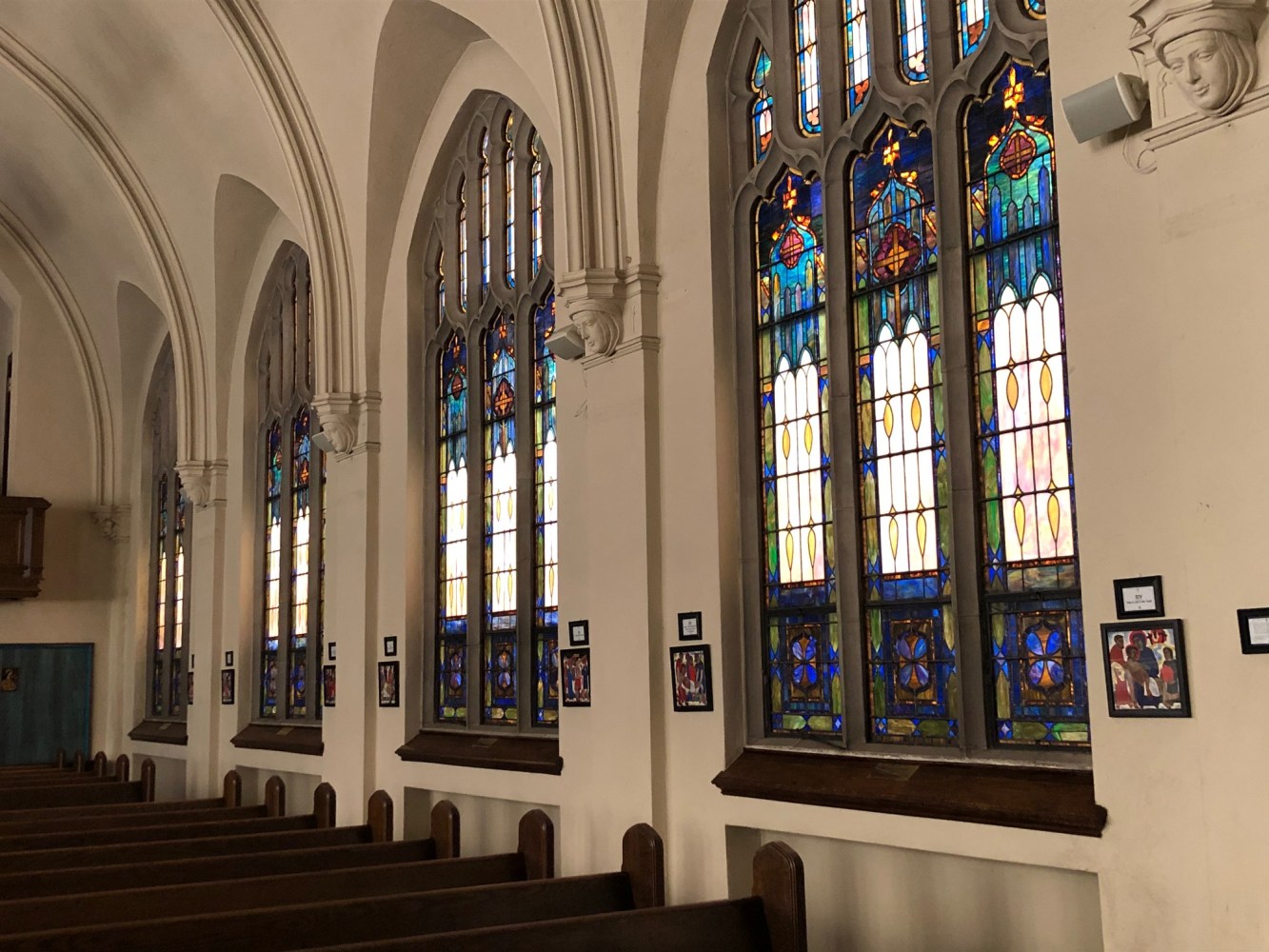
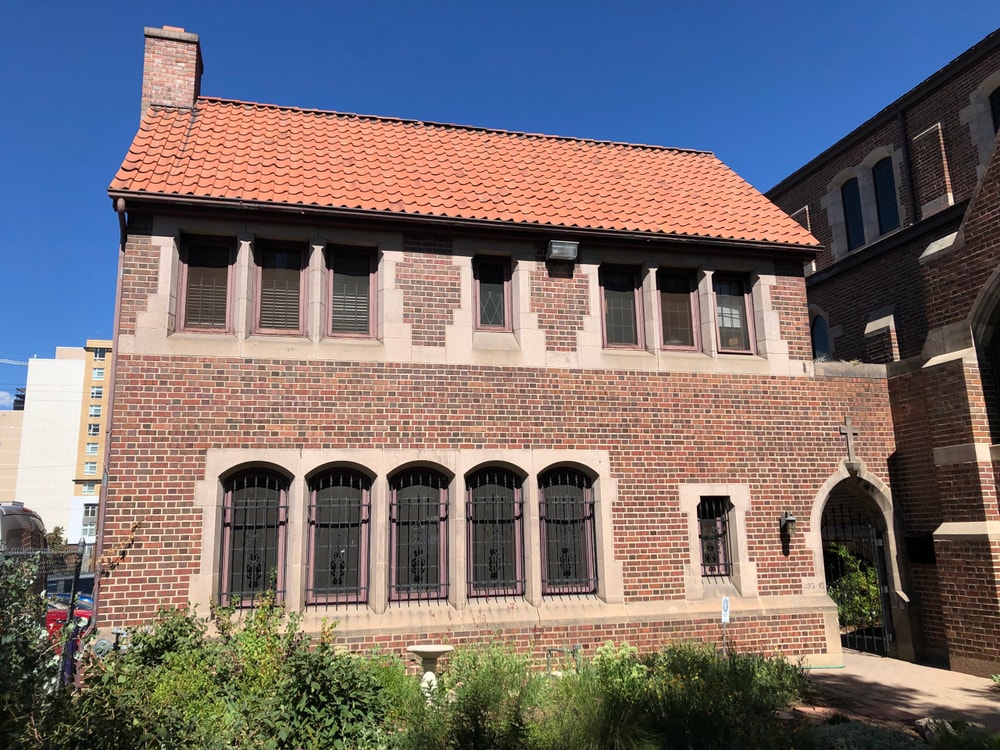
St. Andrew’s Episcopal Church
In 1874, St. Andrew’s Episcopal Church became the second Episcopal Church in Denver. Located at 26th and Curtis, it was named Trinity Memorial Chapel.
In 1909 the parish moved to its current location at 20th and Glenarm after commissioning Ralph Adams Cram to design its modified Gothic brick building. Trinity Memorial Church, as St. Andrews was original known, was dedicated on January 17th 1909. In 1917, the name was changed to St. Andrew’s, presumably to avoid confusion with the larger Trinity Methodist Episcopal, just a few blocks away.
Ralph Adams Cram (December 16, 1863 – September 22, 1942) was a prolific and influential American architect of collegiate and ecclesiastical buildings, often in the Gothic Revival style.
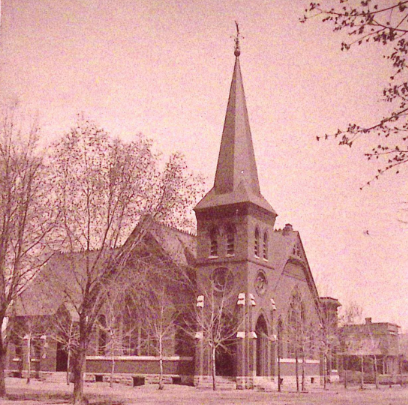
St. Paul’s Lutheran Church
St. Paul’s Lutheran Church, founded in 1884, was first housed in a building at 22nd and California. In 1922 the church purchased this land, and hired the architectural firm of Richter and Eiler of Reading, Pennsylvania, which specialized in the design of Lutheran churches. Architect Frank Redding of Denver oversaw the construction, with Buirgy and Gilbert as contractor. The church was completed three years later in the Late Gothic Revival , as evidenced by the buttresses, pointed arches of the windows and pews, and the ribbed, vaulted ceiling in the nave.

Trinity United Methodist Church
Built in 1888, Trinity United Methodist Church is one of the finest examples of “Modern Gothic” architecture. Architect Robert Roeschlaub used Gothic design elements with new technology, and used rhyolite, quarried near Castle Rock. The building’s spire stands over 183 feet tall. Roeschlaub himself felt it was the crowning achievement of his extensive career.
Reverend Henry Augustus Buchtel is credited with rejuvenating the congregation, which meant that plans for the building had to expand from seating for 700 to seating for 2000.