
SECTION 106 UNDER THREAT: WHAT HAPPENED, WHAT’S NEXT
A FEDERAL RULE CHANGE THREATENS HISTORIC PLACES NATIONWIDE
Update: July 2026
Late Friday night, a small federal council voted to advance sweeping changes to the rules that have protected historic places nationwide for nearly 60 years — including many of the ones you love right here in Denver.
This isn’t the end of the fight. It’s the next phase — and your voice matters just as much now as it did before Friday’s vote.
WHAT HAPPENED
On July 17, the Advisory Council on Historic Preservation (ACHP) — a small independent federal body — sent its members a sweeping rewrite of the regulations that implement Section 106 of the National Historic Preservation Act. Council members were asked to approve it by email, and on Friday, July 24, the vote passed.
The draft now moves toward publication in the Federal Register, which will open a 30-day public comment period before anything is finalized. National outlets including NPR, CNN, and the Washington Post have all covered the vote; the National Trust for Historic Preservation, NATHPO, and NCSHPO have each issued statements opposing it.
WHAT SECTION 106 ACTUALLY DOES
Whenever a project uses federal money, needs a federal permit, or is carried out by a federal agency, Section 106 requires that agency to identify nearby historic places, consider how the project would affect them, and consult with the state, local governments, Tribes, and the public before moving forward. It doesn’t stop projects — it makes sure the people who know a place best get a say before decisions are made.
What the draft would change:
- You lose your voice. Agencies could decide it isn’t worth the time or cost, and wouldn’t even have to tell the public a project is happening in the first place. If they do allow comments, the agency alone decides whether those comments matter — and preservation groups and the public would no longer even be officially recognized as participants in the process.
- Your local government gets sidelined too. Local governments — including Denver, which has a formal seat at this table today — become optional participants, invited only if the agency feels like it. Whole categories of federally funded projects, including many grant programs, could be exempted from review altogether. State Historic Preservation Offices would no longer have to be consulted on whether a place is even historic or whether a project would harm it — the agency alone would decide.
- Consultation becomes optional. Even when agencies do consult with states and Tribes, they’d only have to “hear out” those views — not negotiate toward agreement. Agencies could shorten response deadlines with a simple letter or website notice, treat silence as if there were no objection at all, and skip negotiating altogether by simply announcing their own decision.
- Fewer places count as historic. The rules would be rewritten to exclude mountains, valleys, bodies of water, and other natural or cultural landscapes — and large or spread-out places, like trail corridors or historic districts, could lose protection simply for not being “compact” enough. Tribes could lose their voice on sacred sites entirely, and specific rules requiring consultation on religious or cultural significance would be struck. Even where a place still qualifies, only direct physical damage to it would count as harm — impacts to its surroundings or setting would not.
- Agencies review their own projects. Federal agencies would decide for themselves when Section 106 applies at all, how closely to look, and whether their own projects cause harm — weighing cost and convenience against preservation, with no outside check. The current duty to avoid, minimize, or lessen harm would also be replaced with a vaguer standard.
WHY THIS MATTERS HERE, NOT JUST IN WASHINGTON
National coverage has focused on projects in Washington, D.C., but the places most likely to be permanently affected aren’t in Washington — they’re here, in the neighborhoods and buildings that make Denver Denver.
We don’t have to imagine what unchecked, agency-only decision-making looks like. We’ve lived it.
Downtown Denver
In 1967, Denver voters approved the Skyline Urban Renewal Project, clearing 27 blocks — roughly 120 acres — of downtown, much of it federally funded. Historic buildings from the late 1800s came down, including most of the Daniels & Fisher department store (only its clock tower survives today). For years afterward, downtown Denver was, in the words of one account, “a sea of surface parking lots” — some of those lots sat empty into the 2000s.
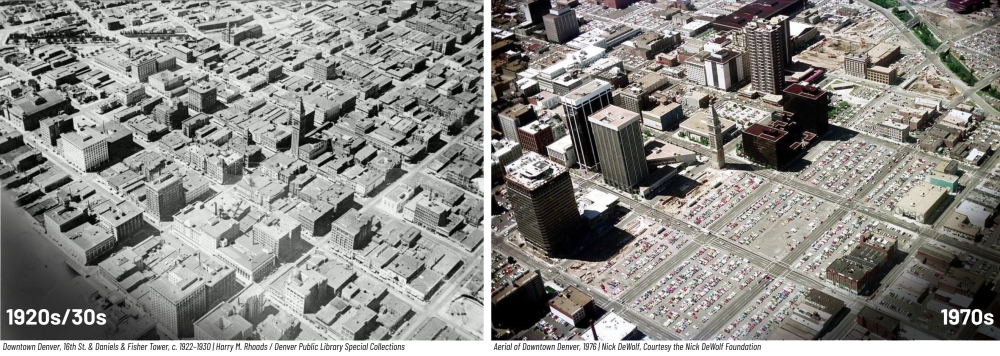
This happened just as the National Historic Preservation Act was being signed into law — before the review process it created had any teeth. Section 106 exists precisely because of moments like this one.
Auraria Neighborhood
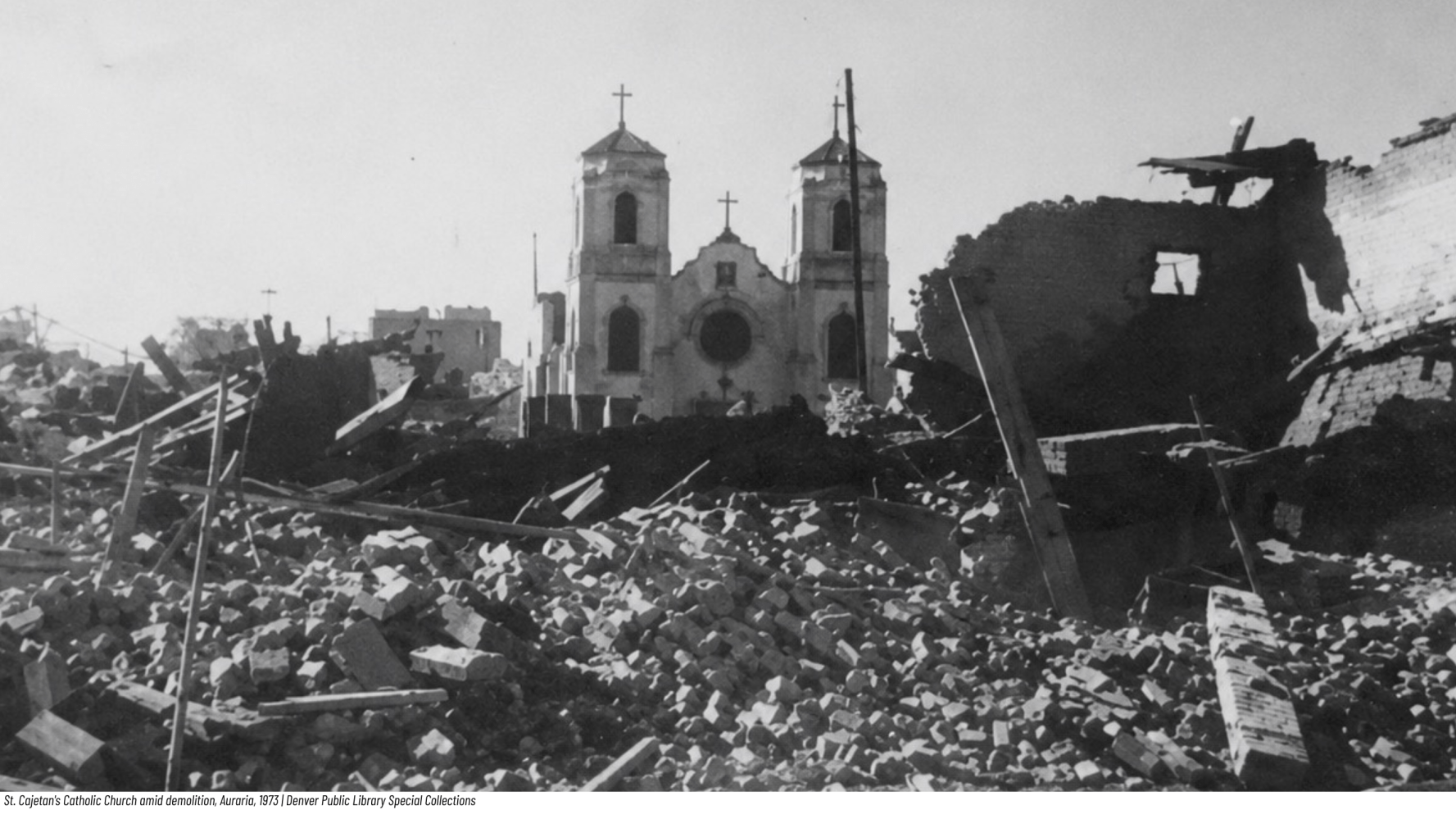
Beginning in 1969, Denver’s oldest neighborhood — 38 blocks, home to hundreds of families and businesses — was cleared using federal HUD funds to build what is now the Auraria Campus. Residents organized the Auraria Residents’ Organization to fight it and lost anyway. Today, only a single block of homes remains, preserved as the Ninth Street Historic District — one of Historic Denver’s earliest projects.
Globeville, Elyria, and Swansea Neighborhoods
Between 1960 and 1964, construction of Interstate 70 destroyed dozens of homes and severed these neighborhoods from each other and from the rest of the city — over the objections of residents who organized against it at the time. It took nearly 60 years, and a $1.3 billion project completed only in 2022, for Denver to even begin repairing the damage — lowering the highway below ground level and building a park on top of it to reconnect the two halves of the community.
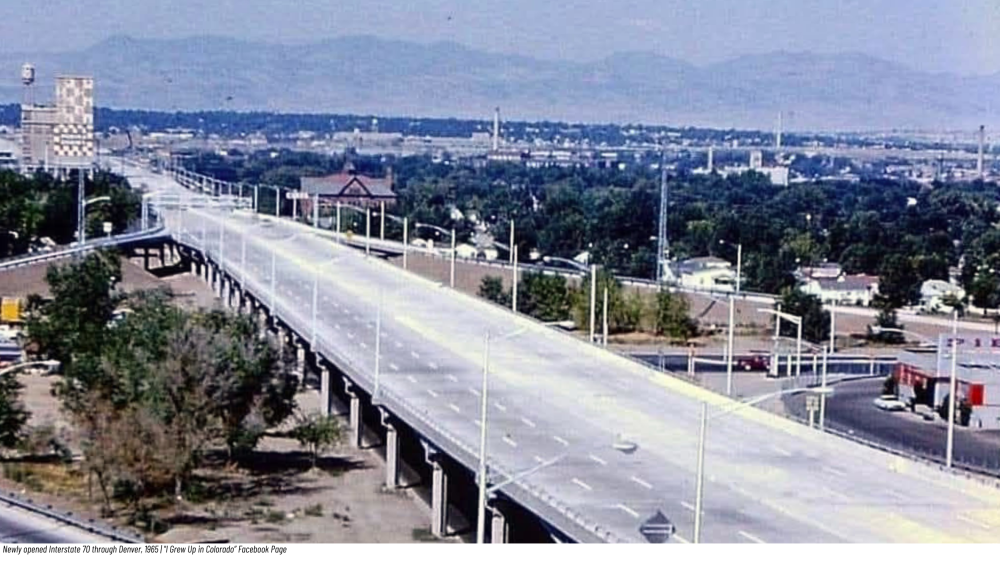
None of these decisions went through anything resembling today’s Section 106 process. That’s exactly the point: this is what happens when federal agencies alone decide what matters and what doesn’t, with no requirement to ask the people who live there. The draft regulations would move us back toward that model.
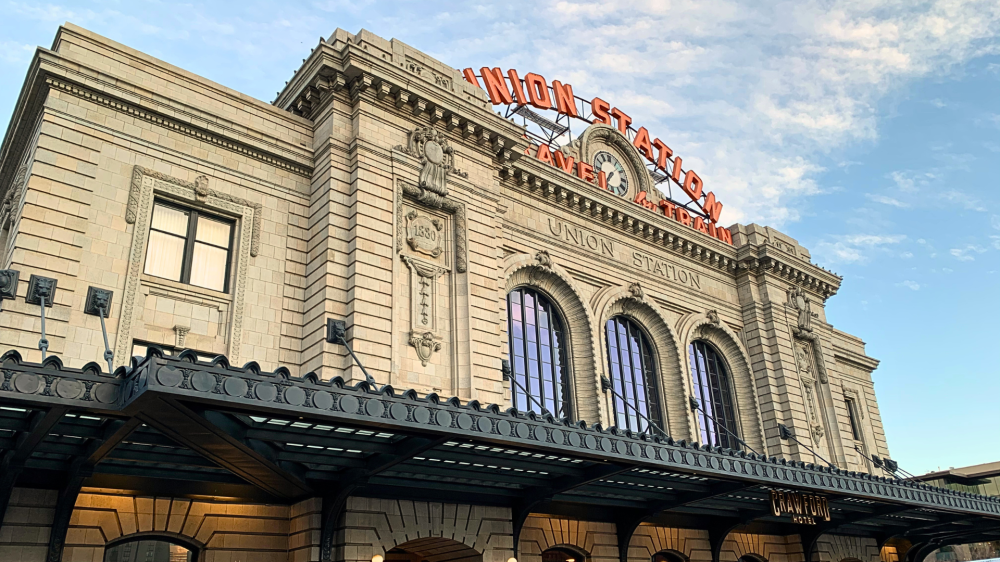
What the Process Protects, When it’s Allowed to Work
Can you imagine Denver without Union Station? Its redevelopment moved forward with $300 million in federal transportation financing, and a Federal Transit Administration–led Section 106 review resulted in a formal agreement to protect what mattered. The Great Hall, original ironwork, and staircases all survive today inside a fully modern transit hub — proof that federal investment and historic preservation aren’t opposites when the process works as designed.
WHAT YOU CAN DO RIGHT NOW
1. Get ready for the comment period. Once the rule is formally published in the Federal Register, the public will have 30 days to submit comments that become part of the official record — and that matter for any future legal challenge. This is the moment that matters most. Watch for our follow-up alert with guidance on submitting an effective comment. For now, start thinking about the places in your own life that Section 106 has protected.
2. Contact your federal representatives. Tell them you oppose this rewrite and that meaningful consultation and public participation must be preserved. (Senators and House members don’t publish direct email addresses — these link to their official contact forms.)
- Senator Michael Bennet
- Senator John Hickenlooper
- Representative Diana DeGette (most of Denver; if you’re unsure of your district, look it up here)
3. Let Denver’s local and state leaders know. As a Certified Local Government, Denver has a specific, formal role in this process today — one this rule would eliminate.
- Mayor’s Office
- Find and email your City Council member (each district uses the format districtN@denvergov.org)
- Governor Jared Polis — his office oversees History Colorado, the state’s own Historic Preservation Office, which would lose agency standing under this proposal too.
- Colorado Attorney General’s office
4. Share this alert. Forward this article it to your neighbors, your neighborhood association, and anyone who cares about protecting the historic places and spaces that matter to Denver. Our one-pager is also worth sharing — it’s built to stand on its own if you’d rather send something shorter.
LEARN MORE
- ACHP’s announcement
- The draft regulations themselves (redlined)
- National Conference of State Historic Preservation Officers analysis
- Cultural Heritage Partners’ “War Room” for Section 106 — includes a recorded strategy briefing and ongoing updates
- National Trust for Historic Preservation: “Section 106 Under Threat” (July 21, 2026)
- National Association of Tribal Historic Preservation Officers: “ACHP Advances Sweeping Revisions to the Section 106 Regulations” (July 2026)
- NPR: “Trump-friendly council advances historic preservation rule changes” (July 23, 2026)
- CNN: “Trump administration seeking to rewrite historic preservation rules” (July 21, 2026)
- The Washington Post: “Trump officials seek to weaken historic-preservation reviews of projects” (July 20, 2026)
This isn’t a story about one project or one political party. Historic preservation in Colorado has always been a bipartisan, urban-and-rural cause — because it’s about who gets a say in what happens to the place you live.
Thank you for standing with Denver’s historic places!